Rundgänge und Sammlungen
Rundgang
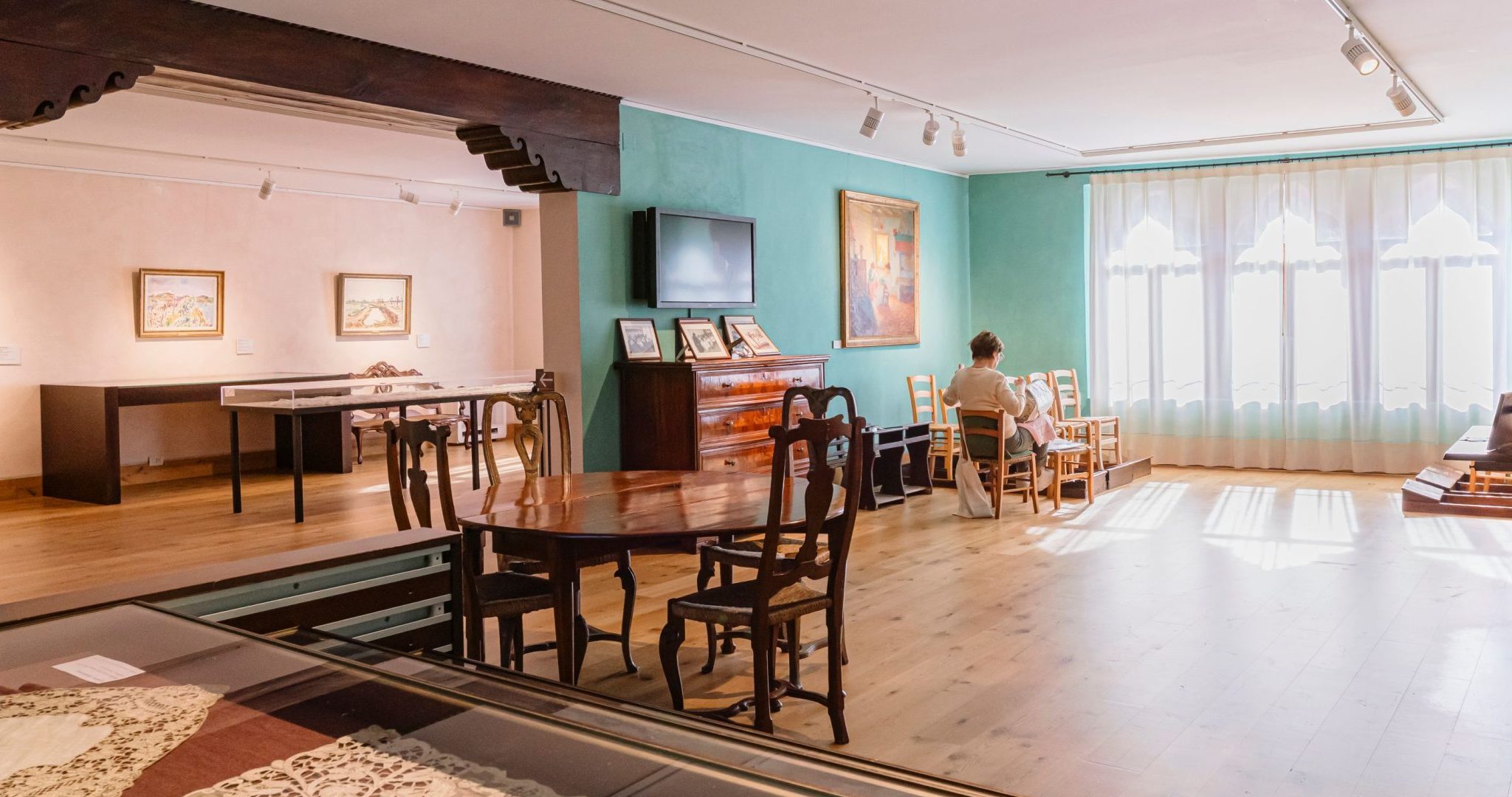
Der Rundgang beginnt im einführenden Saal im Erdgeschoß, wo ein Film mit Untertiteln in Englisch dazu einlädt, in die faszinierende Welt der Spitzen einzutauchen, während Schilder mit didaktischen Angaben die Geheimnisse dieser ausgeklügelten Technik und der am meisten verwendeten Stiche enthüllen (Venedig-Stich, Burano-Stich…). Die Besichtigung geht im ersten Stock weiter, wo der Rundgang in chronologischer Abfolge weitergeht und durch vier Säle führt, die vier Themenbereichen entsprechen.
Über mehr als zweihundert seltene und kostbare Exemplare wird die Evolution der Spitzenklöppelkunst in Venedig vom 16. bis zum 20. Jahrhundert dokumentiert.
Während der Öffnungszeiten kann man den geschickten und unermüdlichen Meisterinnen der Spitzenklöppelkunst bei der Arbeit zusehen, die auch heute noch eine Kunst bewahren, die von Generation zu Generation überliefert wird.
Beschreibung des Rundgangs auf Englisch
From the origins to the 16th century
Venetian lace has its origins in ancient needlework techniques, which evolved during the Renaissance into a more complex and refined art form, expressing the creativity of aristocratic women. From the late 16th century onwards, lace production also developed in monasteries and charitable institutions, gradually spreading to entire female communities in response to the growing popularity of lace.
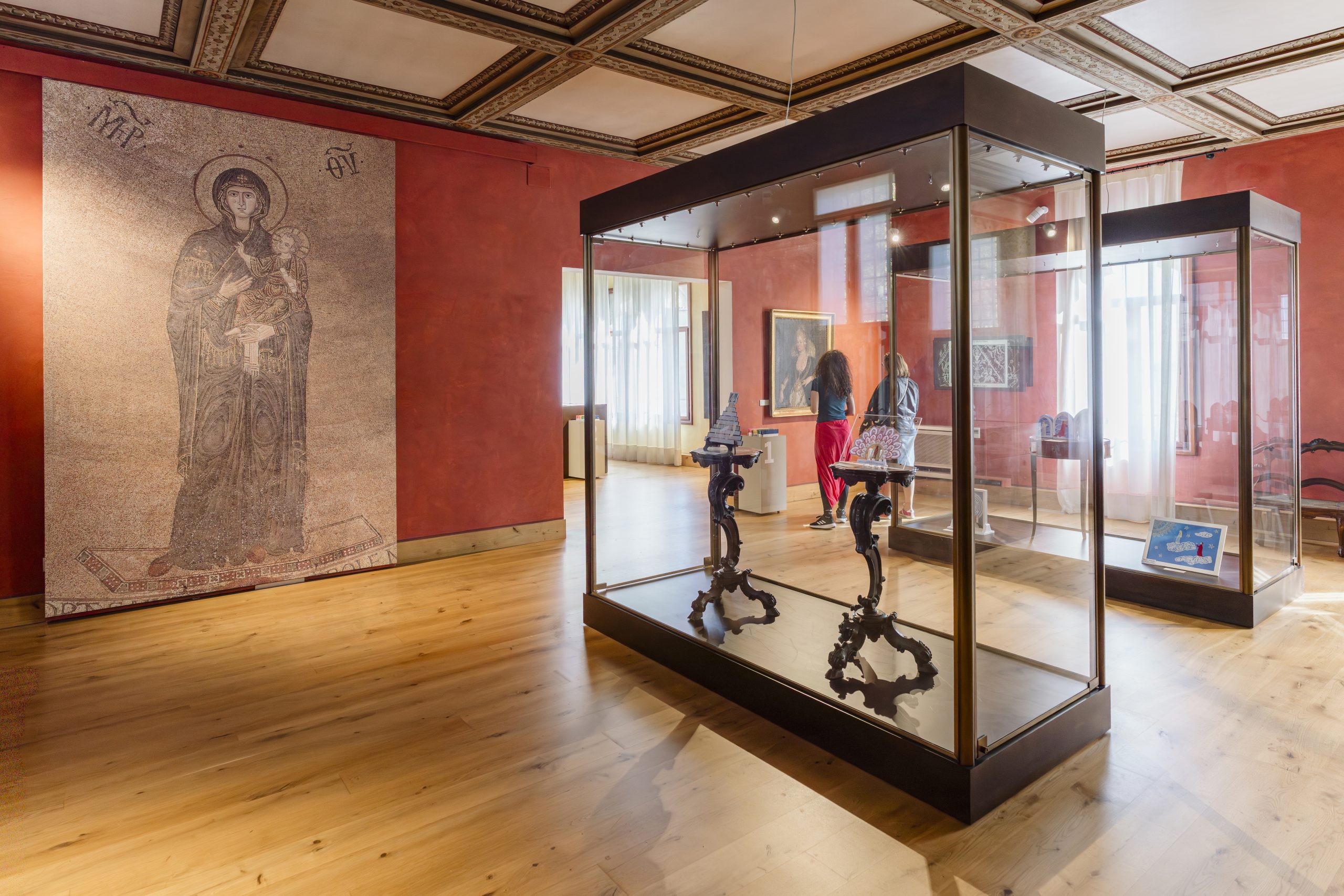
17th – 18th century
The 17th century marked the golden age of Venetian lace, renowned for its exquisite needlework, which captivated European courts. In the 18th century, lighter and more delicate lace styles became fashionable, such as punto Burano, inspired by Flemish lace-making traditions. Towards the end of the century, changing tastes and revolutionary events led to the decline of lace-making, increasingly associated with aristocratic privilege.
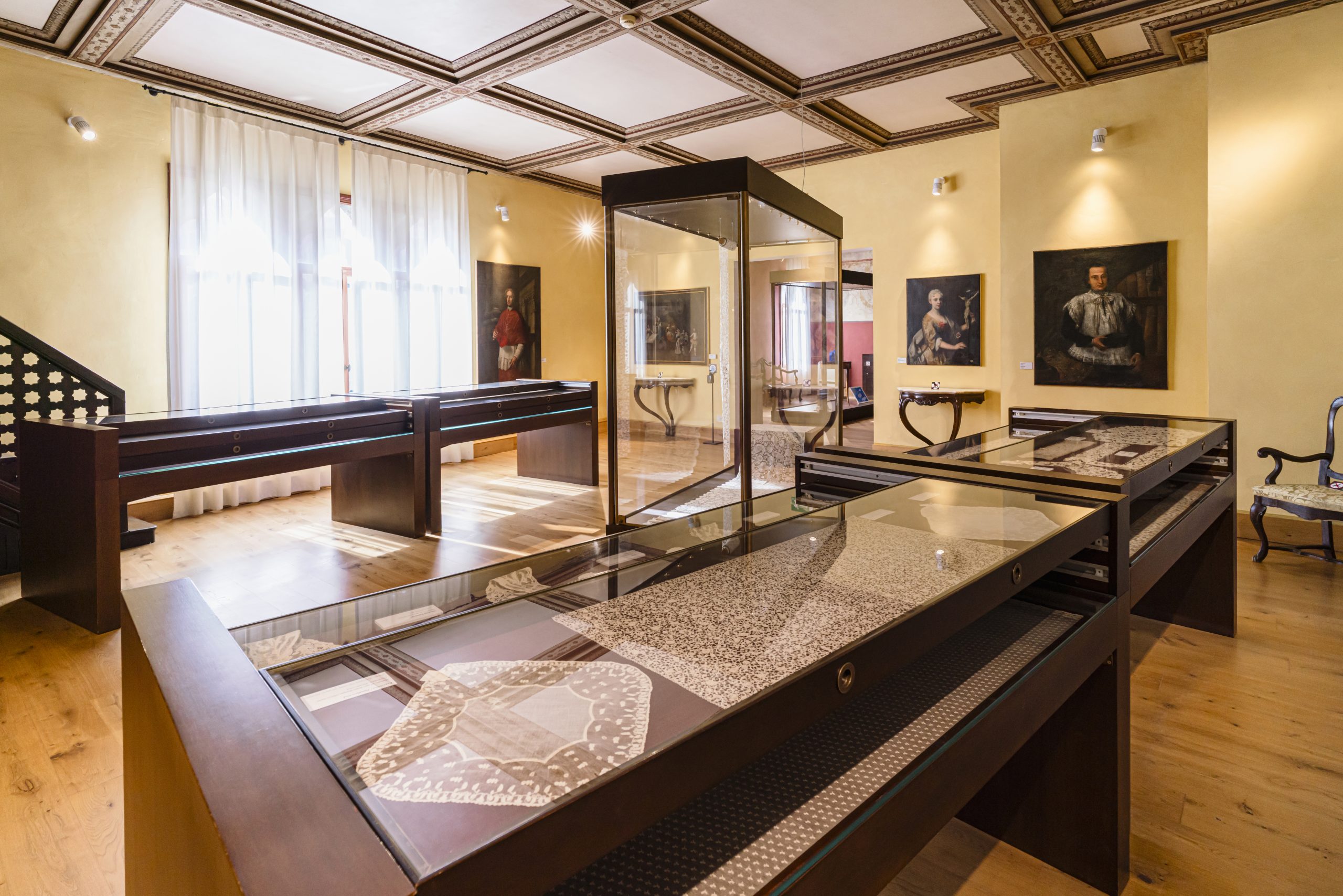
19th – 20th century
In the 19th century, lace-making experienced a revival in Europe thanks to Napoleon, who reintroduced lace into court dress. In Venice, the tradition was revived towards the end of the century through the efforts of intellectuals and aristocratic women, including Andriana Marcello. After declining once again in the post-war period, lace was rediscovered in the last quarter of the 20th century as a traditional craft to be preserved and safeguarded.
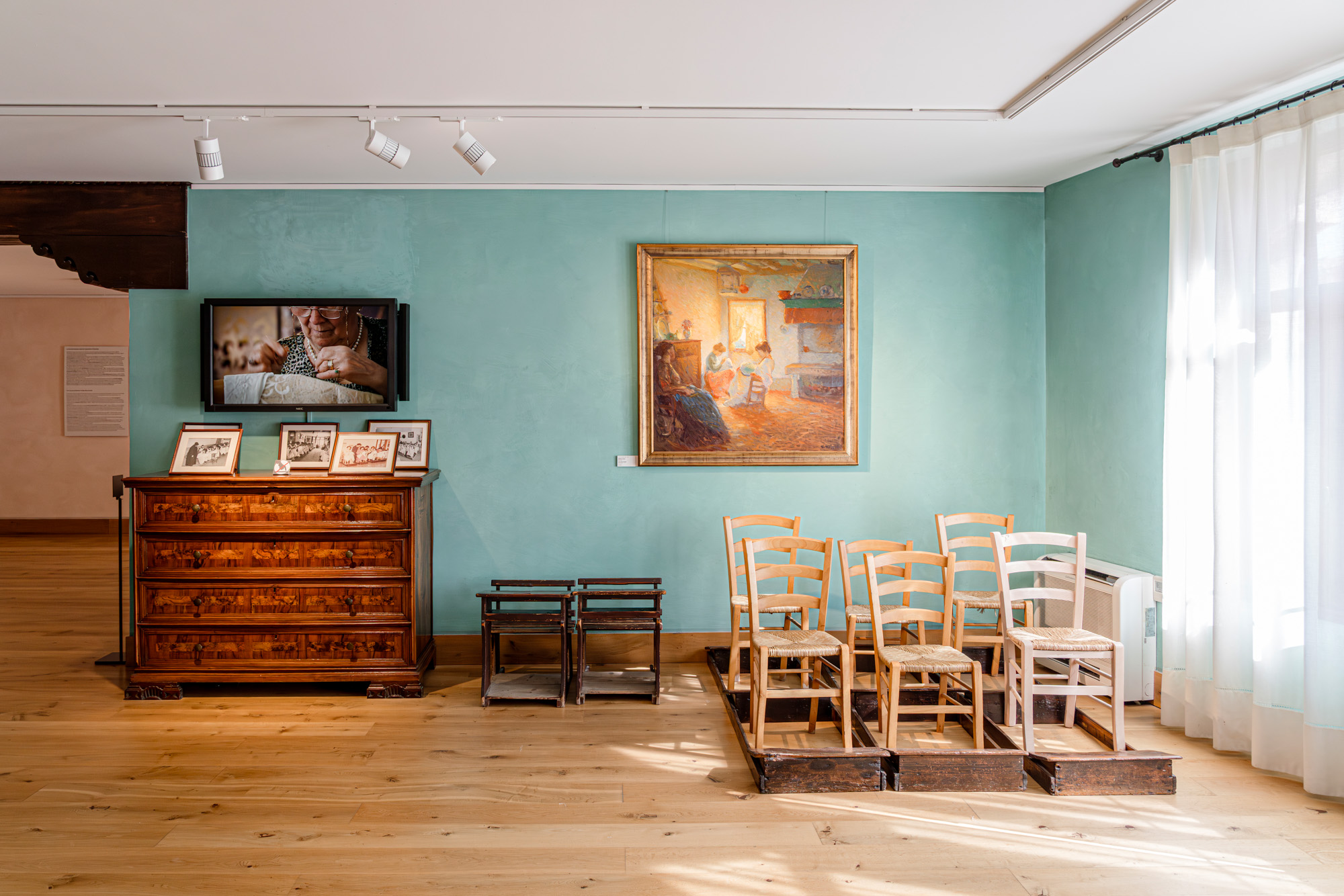
The Burano Lace School (1872-1970)
Beginning in 1872, with the opening of the first lace-making school in Burano, aristocratic families and institutions promoted the revival of Venetian lace. Despite the support of the Marcello family and the royal family, industrial competition and changing fashions led to its gradual decline. In 1981, the Lace School Museum was established, hosting exhibitions and courses aimed at preserving and passing on this craft tradition.
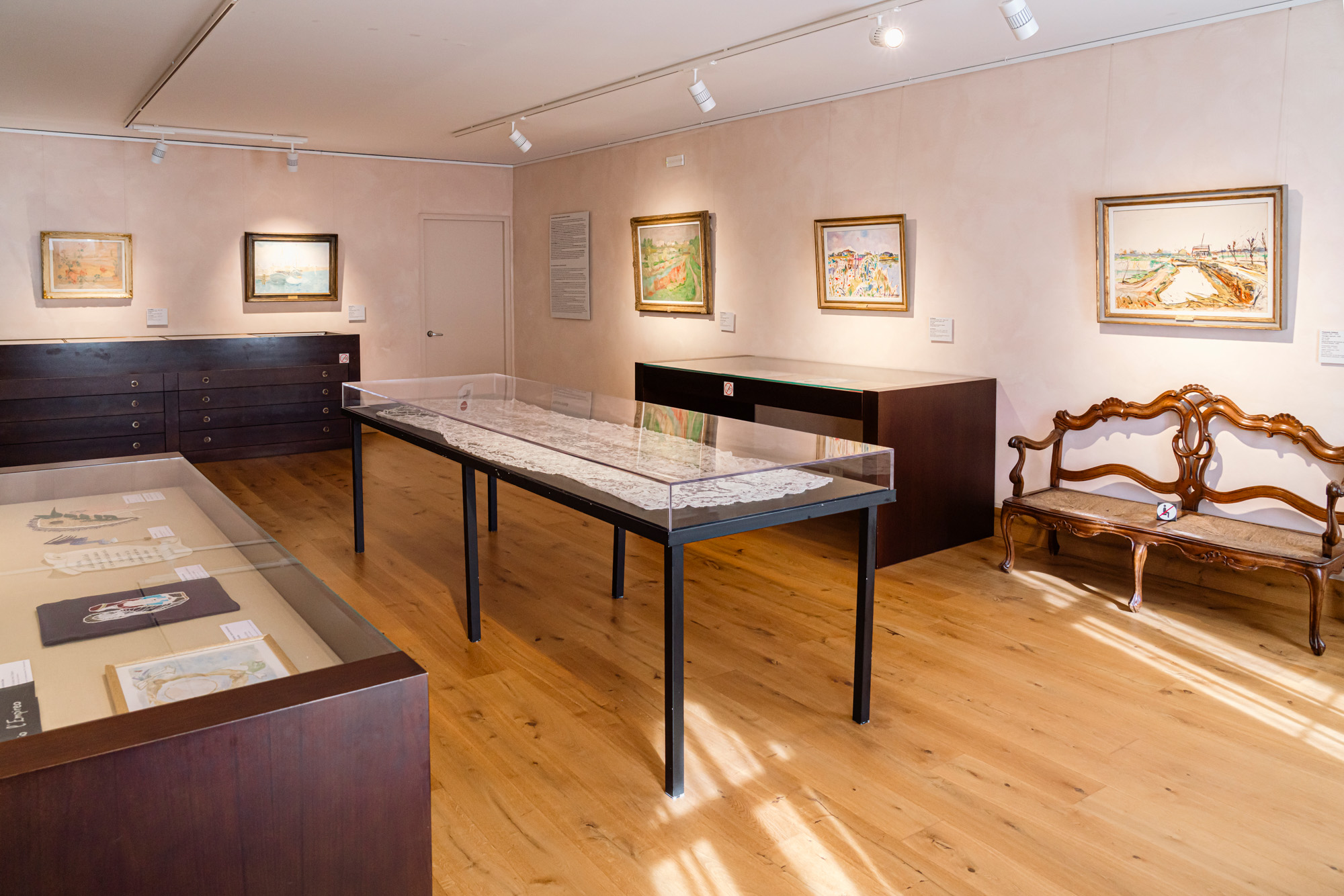
The Burano Prize. 1946–1956
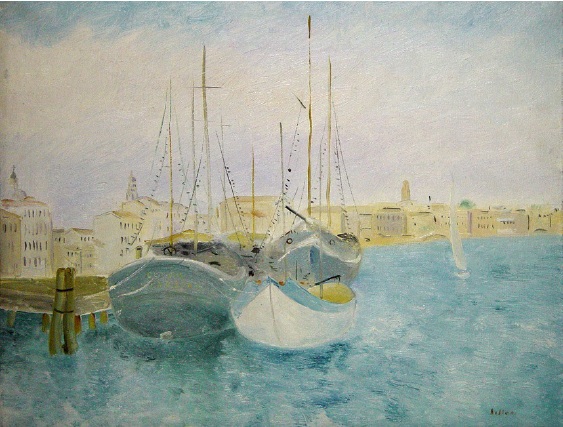
The Burano School of Painting emerged in the 1920s from the encounter between Venetian and foreign painters, drawn to the island’s landscapes. Officially recognised in 1939, it gained further prominence through the Burano Prize, awarded between 1946 and 1956. The permanent exhibition brings together the prize-winning works, documenting artistic developments and the transformation of the lagoon landscape.